Cookies aren’t just treats: they’re little bundles of joy waiting to warm the heart and delight the taste buds. Ever wondered where these delightful confections originated or how flour plays a starring role in their creation? Well, grab a glass of milk and settle in. This sweet journey through the world of cookies promises not just to educate but to entertain, because who said history can’t be delicious? Let’s jump into the chewy, crispy, and sometimes gooey world of cookies.
The History of Cookies
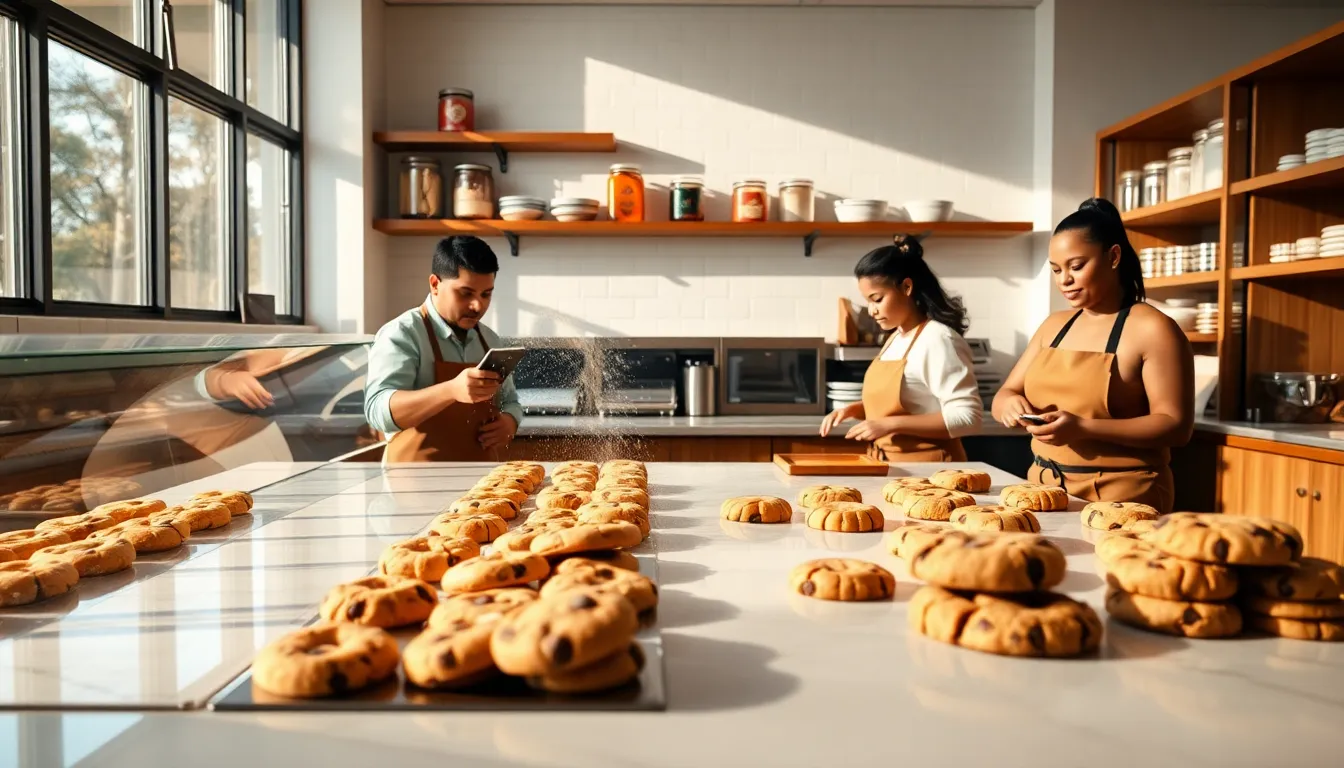
Cookies have a storied past that stretches back centuries. Interestingly, the earliest versions appeared around the 7th century in Persia, following the introduction of sugar in the region. These early sweets were simple and often flavored with spices. As trade routes expanded, so too did the spread of cookie recipes, with European bakers adding their own twists over the years.
By the 14th century, cookies started to take on forms familiar to modern palates. The innovative bakers of the time created varieties that would become staples in households across Europe. In fact, the German word ‘kuchen’ literally means ‘cake,’ but it also refers to cookies, illustrating just how intertwined these sweet treats really are.
Fast forward to the 19th century, the cookie evolved into the beloved snack we know today. Some iconic varieties emerged, including the chocolate chip cookie, which was accidentally invented by Ruth Wakefield in the 1930s. She ingeniously added chopped chocolate to her cookie dough, hoping it would melt for a rich chocolate flavor. Fortunately for cookie lovers, it didn’t fully melt, leading to the morsels we adore today. This was just the beginning of a cookie revolution that continues to thrive in bakeries and homes alike.
The Role of Flour in Cookie Making
Flour is the unsung hero of cookie making. Without it, cookies would just be blobs of unstructured sweetness. Flour provides the backbone, giving cookies their various textures from chewy to crumbly, depending on the type used.
Classic Cookie Recipes to Try
Some classic recipes hinge on using all-purpose flour for that perfect balance of chew and crumble. Think about the traditional chocolate chip cookie, the sugar cookie, or even oatmeal raisin. Each bites into a nostalgic embrace, wrapped in the wonderful memories of home baking.
Innovative Cookie Variations
But, modern baking isn’t just about tradition: it’s also about experimenting. Alternative flours, like almond or oat flour, can create gluten-free delights that pack a punch in flavor. For those adventurous bakers out there, try replacing part of the standard flour with almond flour in a classic recipe. Not only does it lend a nutty flavor, but it also creates a tender cookie. The world of cookies is vast, and flour has the power to innovate flavors and textures in incredible ways.
Tips for Perfect Cookies Every Time
Achieving cookie perfection isn’t a matter of luck. It requires attention to detail and a sprinkle of kitchen wisdom. First off, always measure flour accurately. Too much flour can lead to dry, crumbly cookies. A kitchen scale is a great investment for those serious about their baking.
Next, consider chilling your dough. This simple step not only helps in easier handling but also enhances the flavor and prevents spreading, resulting in thick and chewy cookies. Timing is also essential, avoid overbaking to ensure your cookies retain a soft center, even as they cool down.
Finally, don’t shy away from donning your creative hat. Adding mix-ins, spices or flavored extracts can elevate simple cookies into culinary masterpieces. Whether you’re a novice or an expert baker, experimenting with different ingredients can yield delicious surprises.
With these tips, anyone can become a cookie connoisseur in their own kitchen.
Storing and Preserving Cookies
Once you’ve baked those perfect cookies, it’s crucial to master the art of storage. Cookies can start to lose their freshness fast, so proper storage is key. To keep cookies soft and delicious, store them in an airtight container. Adding a slice of bread can work wonders as well, absorbing any excess moisture and keeping the cookies chewy.
For those who love variety, freeze some cookies for later. Almost every cookie freezes well, and they can maintain their delightful flavors for months when stored properly in freezer bags. Just remember to soften them before indulging.
Labeling your cookies can help keep track of flavors and freshness. Nothing beats the joy of unearthing a stash of homemade cookies during a late-night snack attack.